
The Complete Guide to Gut Health
Gut health plays a fundamental role in your overall well-being, influencing everything from digestion and immune function to daily energy levels and mental clarity.
What Is Gut Health?

Your gut, or gastrointestinal tract, is responsible for digesting food, absorbing nutrients, and eliminating waste. Gut health refers to the balance and proper function of the microorganisms living in your digestive tract.
The Role of the Gut Microbiome
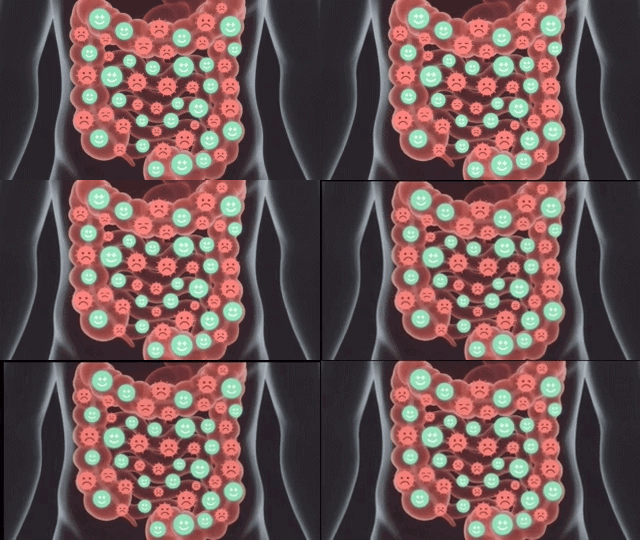
The gut microbiome consists of trillions of bacteria, fungi, and other microorganisms living in your intestines. A diverse and balanced microbiome is essential for optimal digestion, immune defense, and metabolism.
Why Gut Health Is Essential for Overall Wellness
Maintaining a healthy gut reaches far beyond preventing stomach discomfort. It directly impacts several major systems in your body.
Digestion and Nutrient Absorption
A healthy gut breaks down complex foods into vital nutrients your body needs to thrive. Without proper gut function, nutrient absorption drops, leading to deficiencies and fatigue.
Immune System Support
Roughly 70% of your immune system resides in your gut. A strong gut barrier helps prevent harmful pathogens from entering your bloodstream while supporting your body’s immune defenses.
The Gut-Brain Connection
Your gut and brain communicate constantly through the gut-brain axis. This connection explains why digestive issues can trigger mood changes, anxiety, or brain fog.
Signs of an Unhealthy Gut
Identifying warning signs early can help you restore balance before digestive issues worsen:
- Frequent bloating, gas, or indigestion
- Irregular bowel movements
- Unexplained fatigue or sleep disturbances
- Skin irritation or breakouts
- Sugar cravings
How to Improve Your Gut Health Naturally
Building a healthier gut relies on daily lifestyle habits that nourish beneficial bacteria and reduce inflammation.
Eat a High-Fiber Diet
Fiber feeds the good bacteria in your gut. Focus on whole foods such as vegetables, fruits, legumes, and whole grains.
Incorporate Prebiotics and Probiotics
- Probiotics: Live beneficial bacteria found in fermented foods like yogurt, kefir, sauerkraut, and kimchi.
- Prebiotics: Non-digestible fibers that act as food for probiotics, found in garlic, onions, bananas, and oats.
Prioritize Sleep and Stress Management
Chronic stress and poor sleep negatively alter the gut microbiome. Incorporating daily relaxation and getting 7–9 hours of sleep helps protect your digestive barrier.
The Gut-Skin Connection: How Digestive Balance Impacts Cellular Renewal
Recent dermatological research highlights an unexpected benefit of maintaining a thriving microbiome: the gut-skin axis. When gut bacteria are out of balance, cellular turnover slows down, preventing old skin cells from shedding efficiently. This digestive stagnation often manifests externally as premature fine lines, stubborn blemishes, and reduced skin elasticity.
Restoring balance internally requires introducing targeted bacterial strains—such as Bacillus coagulans—alongside potent plant prebiotics like inulin and Egyptian Babchi root. While dietary adjustments provide a great baseline, targeted probiotic gummies formulated specifically for the gut-skin axis, such as [PrimeBiome], help replenish essential microflora while shielding skin cells from internal oxidative stress.

Editor’s Note: If you are dealing with simultaneous digestive sluggishness and skin dullness, taking a doctor-formulated probiotic gummy once daily can accelerate both cellular renewal and gut motility without aggressive skincare routines.
Stay Hydrated
Drinking enough water supports the mucosal lining of the intestines and aids in smooth digestion.
Taking the First Step Toward Better Gut Health
Improving your gut health is a continuous journey. By making simple, consistent changes to your diet and lifestyle, you can build a strong foundation for better digestion, immunity, and overall vitality.
Você vai gostar também:
Learn how to reduce stress naturally with simple breathing, mindfulness, movement, sleep, and relaxation techniques that fit into everyday life.